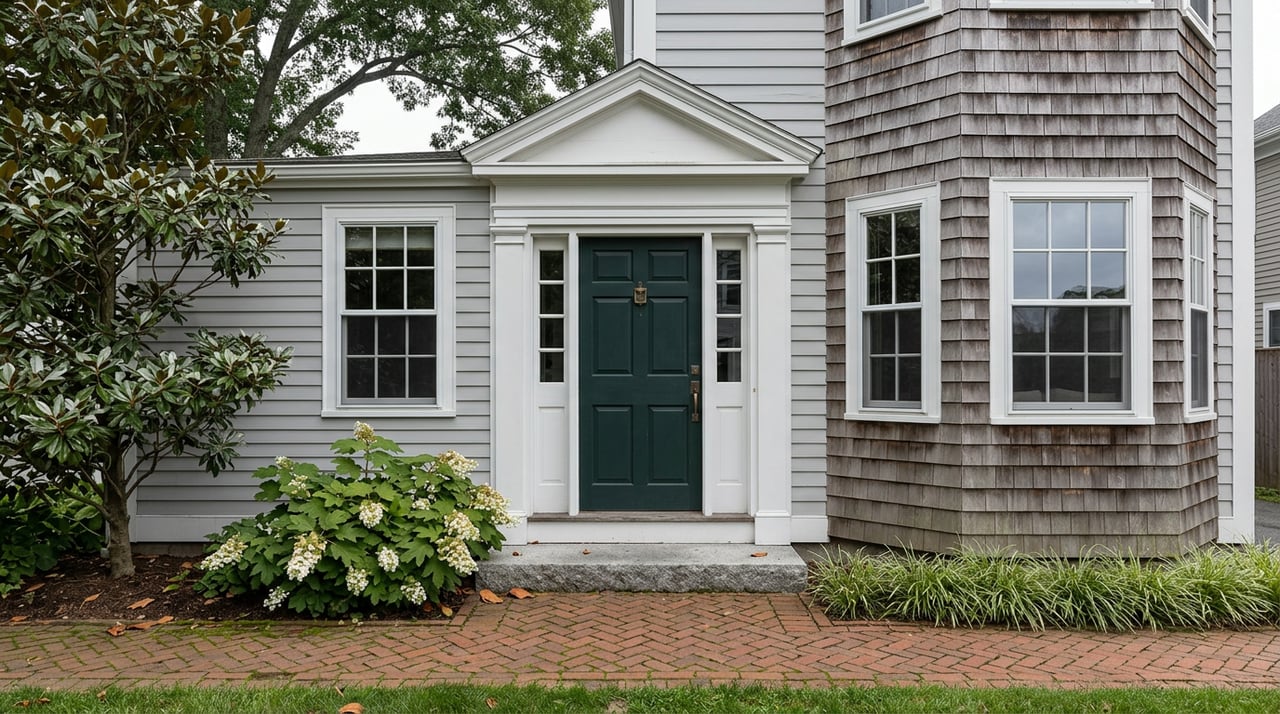
A seller in one of Concord's local historic districts calls a real estate attorney a week before closing. The buyer's counsel has a question about a rear addition, the kind of thing that got mentioned once in a listing description and never came up again. Was it permitted? Was it reviewed? The seller assumes so, because the work looked finished and tasteful and nobody from the town ever knocked on the door. Nobody checked, either, because that is not how the process works. A missing Certificate of Appropriateness does not announce itself. It surfaces during due diligence, usually at the worst possible moment.
This is the actual friction point for owners selling inside one of Concord's historic districts, and it has almost nothing to do with the reputation the districts carry. Most people assume the Historic Districts Commission means heavy-handed control over everything from window trim to interior paint. In practice the rules are narrower than that reputation suggests. The risk that actually costs sellers time and money is not the regulation itself. It is incomplete paperwork trailing behind a project that already happened.
What the Historic Districts Commission Actually Reviews
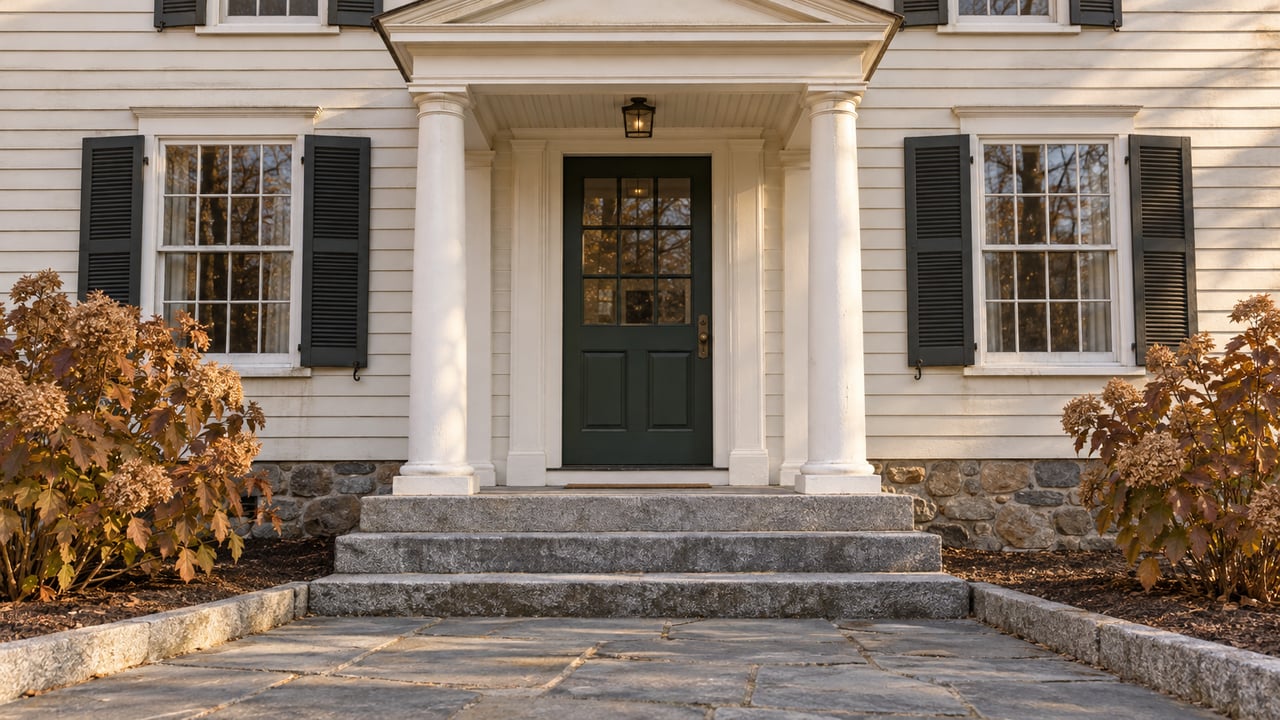
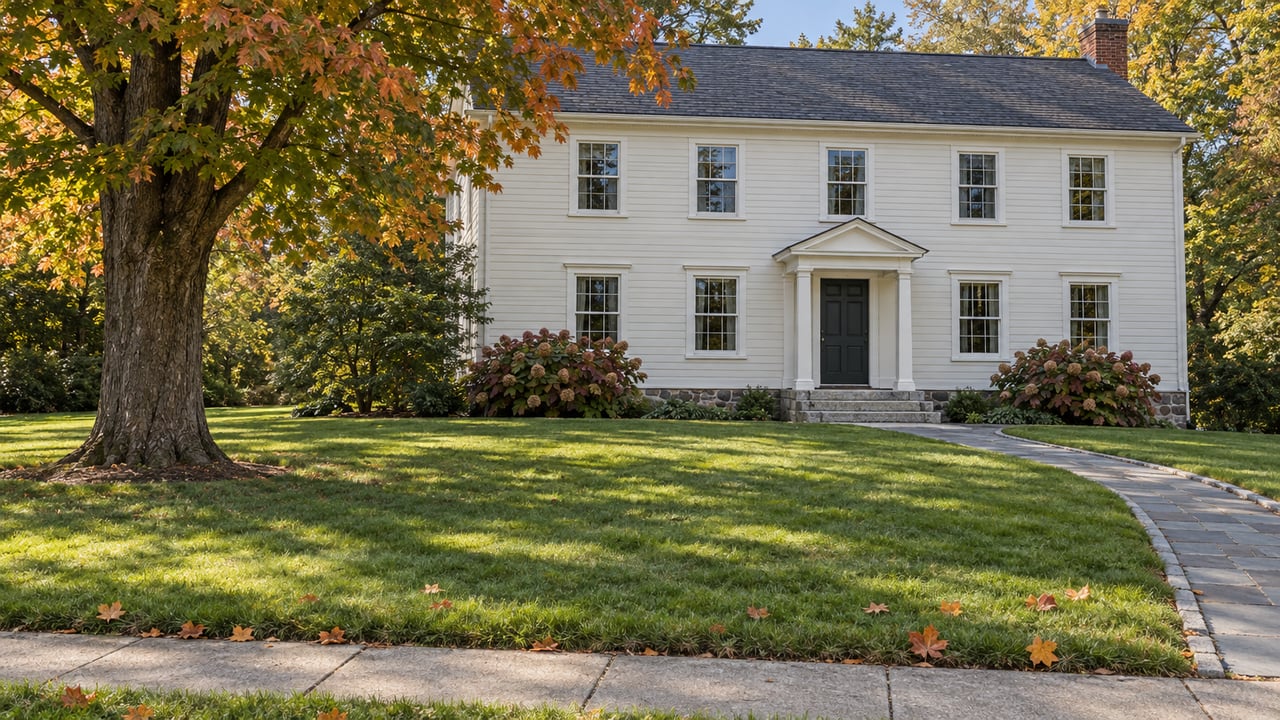
Concord's Historic Districts Commission was founded in 1960 by a Special Act of the Legislature and now has jurisdiction over six historic districts across town. Its authority is specific, not sweeping. The Concord Historic Districts Act says no building or structure within a district can be built, altered, demolished, or removed in a way visible from a public way without a Certificate of Appropriateness from the Commission.
That phrase, visible from a public way, does a lot of work. It means:
- The Concord Historic Districts Design Guidelines say interior renovations are generally outside HDC review, unless the change alters the building's exterior appearance
- In-kind repairs and routine maintenance, such as replacing rotted trim with matching material, are commonly exempt
- The Letter to Property Owners says repainting a house the same existing color does not require an application, since there is no change to the building's exterior appearance
- Paint color only comes under review when an owner is proposing to change the color
So a full kitchen gut, a finished basement, new bathrooms, and a repaint in the same historic white do not require a hearing. The scope of review is genuinely narrower than most sellers expect walking in, and that narrower scope is good news for anyone weighing a pre-listing refresh.
The Part That Actually Creates Risk
The exposure shows up on the exterior side, and it shows up specifically around documentation, not design taste. Two mechanics matter here.
First, the Historic District Commission Guidelines say the Building Commissioner will not issue a building permit without a Certificate of Appropriateness already in hand. That means an exterior change requiring HDC approval—such as a new window pattern, an added dormer, or a rebuilt porch—that was made without going through the HDC was also built without a valid building permit. It is not one problem. It is two, stacked on top of each other, and both surface in the same title search or municipal lien certificate a buyer's attorney will pull before closing.
Second, an approved Certificate of Appropriateness is not permanent. Work must commence within six months from the date of the Certificate unless the Commission agrees otherwise, and if the completed work differs from what was approved, a new application has to be filed. An owner who got approval but did not commence a project within six months, or whose completed work differed from what was approved, may be sitting on a property with an exterior improvement that was never properly closed out. It looks finished. It is not finished on paper.
Neither of these problems is visible from the curb. Both of them are exactly the kind of thing a careful buyer's attorney finds two weeks before closing, which is the worst time to discover it.
Six Districts, One Set of Rules
Concord's six historic districts cover different parts of town with different characters, but the review standard is the same across all of them.
The American Mile begins at Merriam's Corner, an entrance to Minuteman National Historical Park, and continues into Concord Center along the route British troops marched on April 19, 1775. Barrett Farm is the town's most rural district, anchored by the Col. James Barrett Farm House, where British soldiers searched for hidden munitions on that same day in 1775 and came up empty, the powder having been moved to adjacent fields. Main Street holds a rich and varied inventory of architectural styles, with most buildings still true to their original character and materials, in a village pattern shaped early on by the Mill Brook. North Bridge/Monument Square centers on Concord's town square, listed in the National Register of Historic Places in 1977, ringed by Lexington Road, Bedford Street, Route 62, and Lowell Road, with the homes of Emerson, Thoreau, and the Alcotts nearby. Church Street is unusual in being made up entirely of architect-designed institutional buildings, the earliest a 1904 Queen Anne and Shingle style church. Hubbardville, established in 1998 at a bend in Sudbury Road, is the smallest by far, just four buildings on three parcels, first settled in the 18th century by Deacon Thomas Hubbard's family and later home to sculptor Daniel Chester French.
A house in any of them is subject to the same review standard for exterior work visible from a public way, and the Commission itself is limited in what it can consider. The HDC’s application materials say it rules only on whether an exterior change is architecturally and historically appropriate. It is not allowed to weigh privacy, safety, or personal convenience in its decisions. That keeps hearings focused on design, material, massing, and how a change relates to neighboring structures, not on subjective taste.
What This Means If You're Selling
For an owner preparing to list, the practical work is less about anticipating a hearing and more about closing the paper trail before a buyer's attorney opens it.
- Confirm which district the parcel sits in and request the property's HDC file from the town, including every Certificate of Appropriateness ever issued and any conditions attached to it.
- Check whether any exterior work, additions, replaced windows, new fencing, altered rooflines, has a matching certificate on file. If it does not, that is worth resolving before the home goes to market rather than during attorney review.
- If a certificate was issued but work did not commence within the six-month window, confirm with the Commission whether the approval is still valid or needs to be reapplied for.
- Finish visible exterior repairs before listing where practical. Completed, compliant work reassures buyers and their attorneys far more than a promise that everything is fine.
- Put the documentation in front of buyers early, in the disclosure packet, rather than letting their counsel discover gaps on their own timeline.
As of a January 1, 2026 fee revision, the standard HDC application runs $50, with minor modifications at $100 and higher tiers for major alterations such as new windows or doors. Closing out an open item before listing is a modest cost next to a delayed closing.
Timing It Against Today's Market
None of this changes the fact that this corner of MetroWest remains a fast-moving market for well-prepared homes. In a snapshot of single-family closings across Acton, Bedford, Concord, Maynard, and Sudbury from June 24 to July 2, 2026, homes sold for about 104 percent of list price on average, went under agreement in roughly 21 days, and drew an offer in about 8 days. Historic and conservation-adjacent estates in Concord's most desirable pockets have separately been reported to command premiums of 4 to 7 percent over asking when they come to market genuinely turnkey.
That kind of pace does not leave room for a mid-contract surprise. A documented HDC history is not a marketing point most listings lead with, but it is exactly the kind of preparation that keeps a fast market fast for the seller instead of turning into a week of delay while paperwork gets sorted out after an offer is already accepted.
Frequently Asked Questions
Does every home in Concord fall under Historic Districts Commission review? No. Only properties within one of the six designated historic districts are subject to HDC review, and even within those districts, review applies to exterior changes visible from a public way, not to the interior or to routine maintenance.
Can I repaint my house before listing without HDC approval? If you are repainting the same existing color, no application is required, since there is no change to the exterior appearance. An application is only needed when you are proposing to change the color.
What happens if a previous owner did exterior work without a Certificate of Appropriateness? That gap typically surfaces during a title search or municipal lien review, since the town will not issue a building permit for work requiring HDC approval without a valid Certificate on file. Resolving it before listing or addressing it directly with a buyer tends to be far less disruptive than having it surface during attorney review close to closing.
If you're weighing a sale inside one of Concord's historic districts and want a second set of eyes on what's documented and what isn't before you list, Laura Rakauskas can help you sort it out. Let's Connect.
This article is general information, not legal, tax or financial advice. Consult a qualified professional about your situation.