Thinking about a move to Sudbury? If you want more space, a strong sense of local identity, and easy access to trails and conservation land, Sudbury may be high on your list. The town offers a classic suburban lifestyle with deep historic roots, but it also comes with practical tradeoffs around commuting, housing supply, and car dependence. This guide will help you understand what daily life in Sudbury actually feels like so you can decide whether it fits your goals. Let’s dive in.
Sudbury at a glance
Sudbury is a historic suburban town in Middlesex County with an estimated population of 19,805 as of July 1, 2024. It covers 24.27 square miles of land, which works out to about 780 people per square mile. In simple terms, that means Sudbury feels relatively spread out rather than dense or urban.
The town is known for its conservation-minded identity and its older New England character. Local planning and conservation materials point to natural areas, historic places, and civic life as defining parts of the community. Sudbury also maintains four local historic districts: Town Center, Wayside Inn, King Philip, and George Pitts Tavern.
What the community feels like
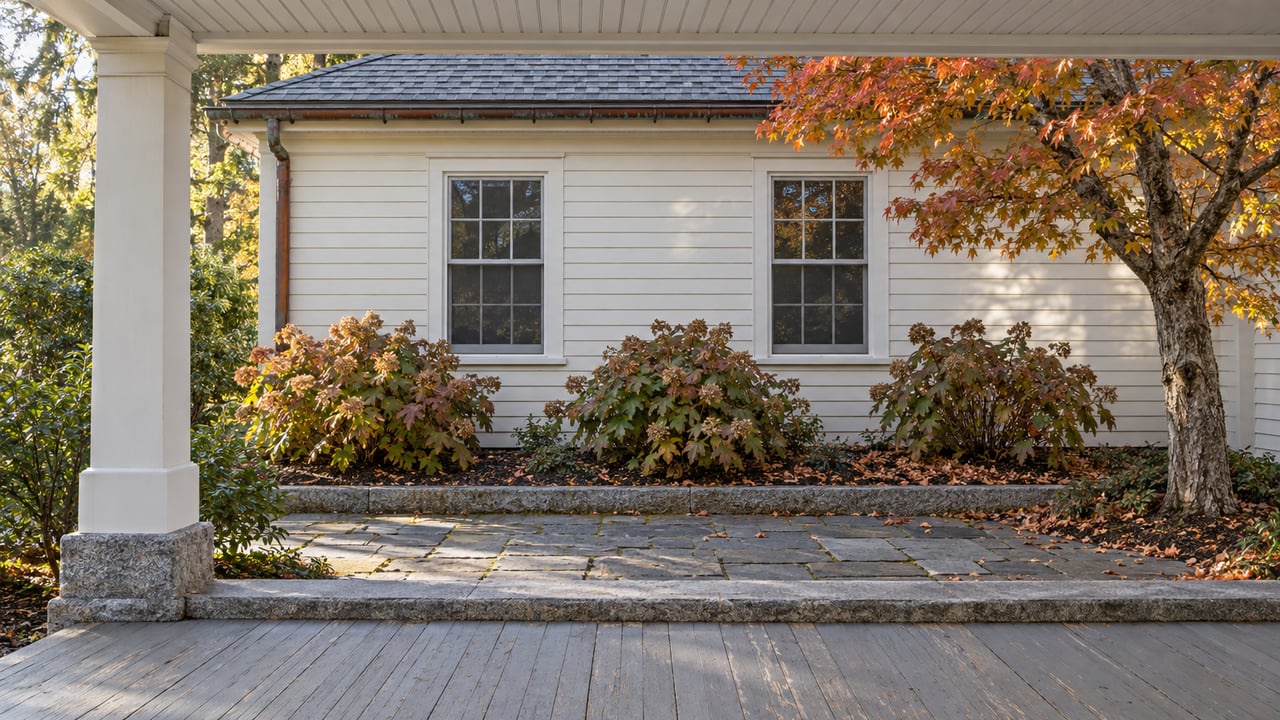
Living in Sudbury often means trading a fast-paced, walk-everywhere setting for a quieter, more spacious routine. The town grew from a rural village into a suburban community over time, but it still holds onto much of that earlier landscape character. You see that in the open land, older homes, and preserved historic areas.
For many residents, the appeal is not about nightlife or dense mixed-use blocks. It is about having room to spread out, access to civic amenities, and a setting that feels grounded in nature and local history. If that sounds like your version of home, Sudbury can be a very appealing option.
Housing in Sudbury
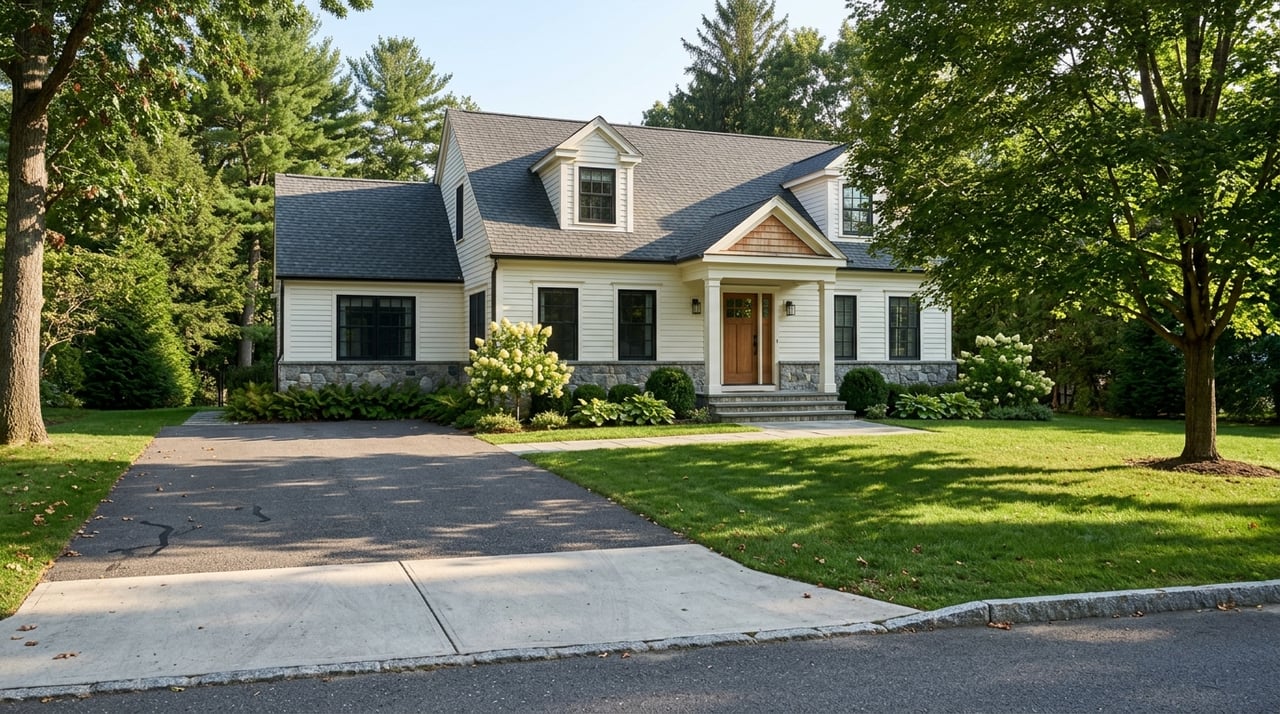
Sudbury’s housing stock is dominated by single-family homes. Town housing materials report that 93% of the housing stock is single-family overall, with 84.7% specifically detached single-family homes. The town is also heavily owner-occupied, with 90.2% of homes occupied by owners.
That housing mix shapes the overall lifestyle. Many buyers looking at Sudbury are searching for larger lots, more privacy, and a more traditional suburban home setup. If you are hoping for a broad range of apartment or rental choices, the town may feel more limited.
Expect a tight market
Sudbury has a low vacancy rate of 1.8%, and town planning materials describe the market as tight with limited rental stock. That can make it harder to find the right home quickly, especially if your wish list is specific. Buyers often need to balance patience with readiness.
Pricing reflects that demand. Town housing materials note that the median single-family home price reached $1.235 million in 2024, while Census QuickFacts lists the median owner-occupied home value at $939,400. Those figures tell you that Sudbury is generally a higher-price suburban market.
Home styles you may see
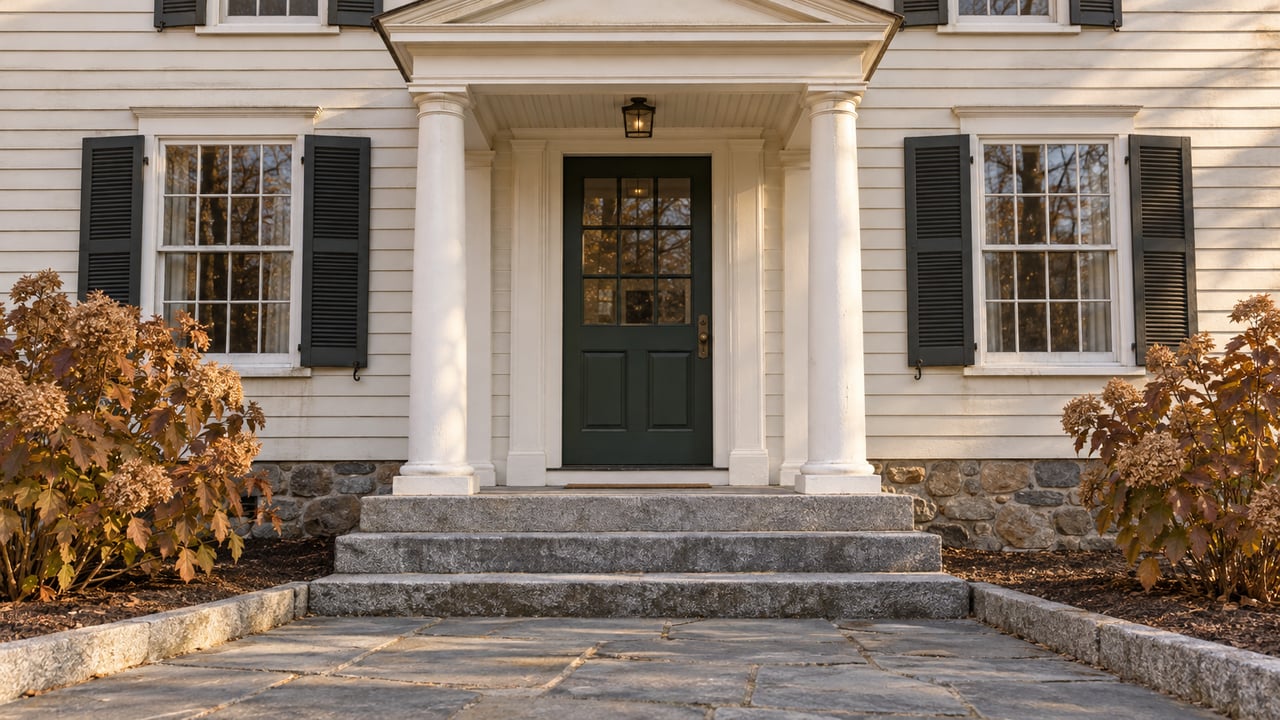
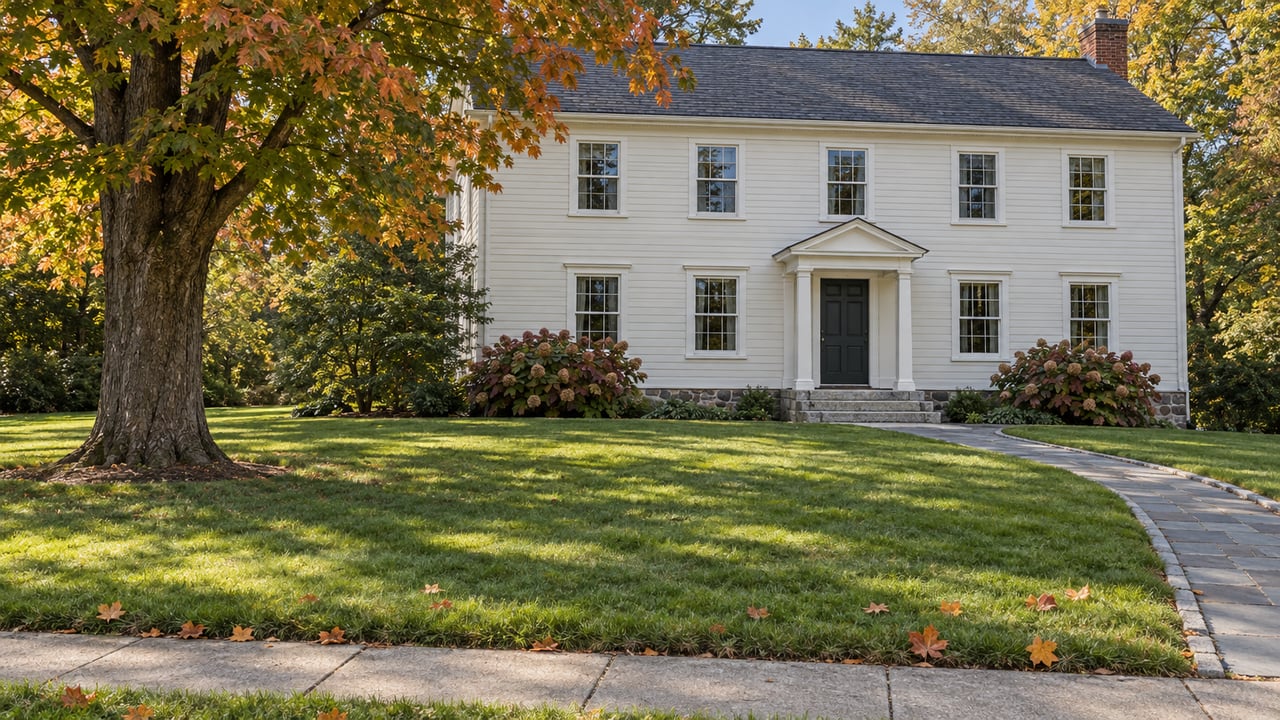
Part of Sudbury’s appeal is its older housing fabric and classic New England look. Historic survey materials describe clapboard homes with Georgian, Federal, and Greek Revival details in Sudbury Center. Other parts of town include Cape Cod, Colonial Revival, and split-level homes.
If you are drawn to character homes, Sudbury offers that aesthetic in many areas. If you are considering a property within one of the local historic districts, it is also helpful to know that some exterior changes may require additional local review.
Getting around day to day
Sudbury is best understood as a driving town. According to the town master plan, 82.6% of workers drove alone, 9.3% worked from home, 3.3% used public transportation, and 1% walked or biked. Those numbers reflect how most residents move through daily life.
In practical terms, errands, appointments, and school drop-offs often revolve around major roads like Route 20, Route 27, and Route 117. The same town planning materials identify congestion along these corridors as a recurring issue. So while Sudbury offers space and convenience in some ways, it does not typically deliver a compact, car-free routine.
Public transit is limited
The town’s Transportation Committee reports that there is no public transportation within Sudbury’s town boundaries. It also notes that commuter rail parking in nearby towns is limited and pedestrian-friendly routes are sparse. That matters if your work or lifestyle depends on regular transit access.
Sudbury has added a few transportation alternatives, including the Sudbury Connection van, Go Sudbury!, Catch Connect, and a Sudbury-Wayland Boston Hospital Shuttle. These services can help in certain situations, but they are supplemental rather than a full transit network.
Outdoor life is a major draw
If you love nature, Sudbury stands out. The town has an extensive network of conservation lands, including Barton Farm, Broadacres Farm, Davis Farm, Frost Farm, Haynes Meadow, Hop Brook Marsh, King Philip Woods, Landham Brook Marsh, Lincoln Meadows, Nobscot, Piper Farm, Poor Farm Meadow, and Tippling Rock Trail.
That access shapes daily life in a real way. It gives you options for walking, hiking, biking, and simply spending more time outdoors without going far from home. For many buyers, this is one of Sudbury’s strongest lifestyle advantages.
Recreation beyond the trails
Outdoor access in and around Sudbury also includes connections to Great Meadows National Wildlife Refuge, Assabet River National Wildlife Refuge, Marlborough-Sudbury State Forest, and the Sudbury River. Available activities mentioned in town materials include hiking, biking, cross-country skiing, canoeing, fishing, horseback riding, and boating-related recreation.
Beyond conservation land, the Park and Recreation Department offers amenities such as the Atkinson Pool, Fairbank Community Center, Davis Field, Frank G. Feeley Field, and Haskell Recreation Area. If you want a town where recreation is part of the weekly routine, Sudbury offers a lot to work with.
Civic amenities and daily routine
Sudbury has a community-centered rhythm. Goodnow Library serves as a civic hub and reports more than 300,000 circulating items. That kind of shared public space adds to the town’s local feel and gives residents a central resource beyond shopping and errands.
The town also has a strong civic identity tied to preservation, open space, and public amenities. For many people, that creates a sense of stability and continuity that can be hard to find in faster-changing communities.
What families often notice
For many households, daily life in Sudbury is closely tied to school schedules, recreation programs, and local activities. Sudbury Public Schools includes four elementary schools and Ephraim Curtis Middle School, while Lincoln-Sudbury Regional High School serves the town’s high school students in Sudbury. The district emphasizes inclusion and family partnership.
Town master plan feedback also noted that schools were a major reason many residents chose to move to Sudbury. If your home search includes space, routine, and access to community amenities, that pattern may be worth noting as you compare towns.
Is Sudbury the right fit for you?
Sudbury tends to fit buyers who want a traditional suburban setting with a strong owner-occupied housing base, abundant open space, and a community shaped by history and civic life. It can be especially appealing if you value privacy, trails, larger homesites, and a calmer pace over dense development or frequent transit.
At the same time, it is important to be realistic. Sudbury is not the best match for every buyer. If you want a walkable town center for most daily errands, broad rental options, or built-in public transportation, you may find the town less convenient.
The key is to match the town to your real lifestyle, not just your wish list. When you do that, Sudbury becomes easier to evaluate clearly and confidently.
If you are weighing a move to Sudbury or comparing it with other MetroWest and Boston Northwest suburbs, working with a local advisor can help you narrow the fit, understand the market, and move forward with a plan. If you’d like clear, calm guidance tailored to your goals, connect with Laura Rakauskas.
FAQs
What is the overall feel of living in Sudbury, MA?
- Sudbury generally feels like a low-density, historic suburb with a strong focus on conservation land, open space, and traditional suburban living.
What kinds of homes are common in Sudbury, MA?
- Sudbury’s housing stock is mostly single-family homes, especially detached single-family properties, with many classic New England styles and relatively limited rental inventory.
Is Sudbury, MA good for commuters?
- Sudbury works best for car-oriented commuters, since most residents drive and the town does not have a full public transportation system within its boundaries.
What outdoor activities are available in Sudbury, MA?
- Sudbury offers extensive access to conservation land and nearby natural areas for hiking, biking, cross-country skiing, canoeing, fishing, horseback riding, and other outdoor recreation.
Is the Sudbury, MA housing market competitive?
- Town housing materials describe Sudbury as a tight market with low vacancy, limited rental stock, and higher home prices, so buyers often need to be prepared when the right home becomes available.